
Blog

“GEN” Growthive Excellent Nutrition – aquarium fertilization method (updated 29/02/2024)
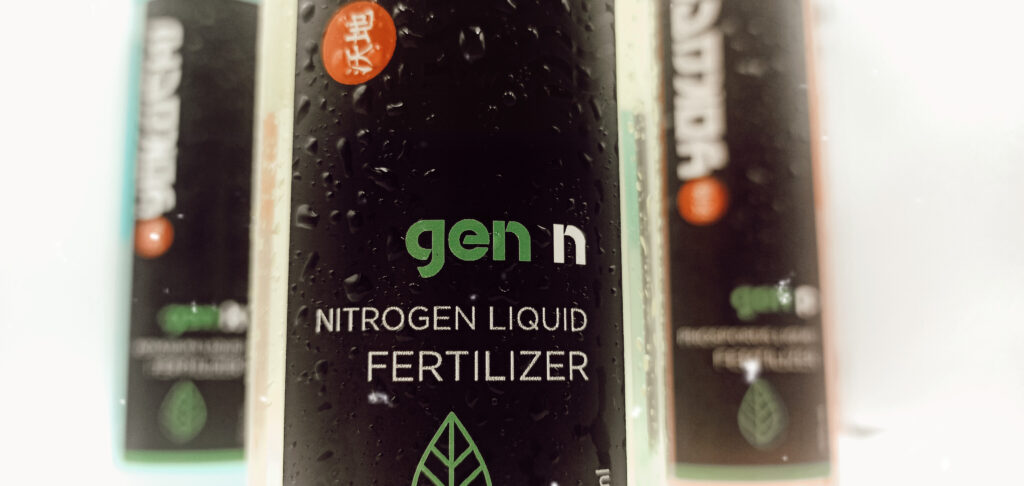
1. Introduction Planted aquariums, as a unique form of underwater landscape, continually delight us with their beauty. Maintaining the tanks in good condition requires proper care and our attention to ensure that the plants can thrive. One of the key elements of maintaining a healthy environment in a planted aquarium is proper fertilization. Several methods are currently known…

learn more

Copper and its importance for plants

Introduction. Copper is a heavy metal; its atomic weight is 63.54. After silver, it is the best conductor of heat and electricity. In compounds, it occurs in oxidation states I or II. Copper has a very pronounced tendency to form complexes. The stability constants of copper complexes are generally higher than those of other divalent metals…

learn more

Zinc and its role in plant life.

Introduction. Zinc is a heavy metal; its atomic mass is 65.38. It exhibits relatively good thermal and electrical conductivity. It forms compounds only in the +2 oxidation state. Zinc dissolves even in dilute acids, displacing hydrogen. In nature, it never occurs in its native state. Zinc, like copper, forms complex compounds,…

learn more

Boron and its role in plant physiology.

Introduction. Boron is a typical nonmetal with a low atomic mass. The most well-known boron compounds are boric acid and its salts – borates; boron occurs in them as a trivalent element. The complex-forming properties of the borate ion are well-known. Research on boron as a trace element dates back to the first years of this century. Research has demonstrated the beneficial effects of boron on…

learn more

Structure, properties and synthesis of photosynthetic pigments.

1. Introduction. Photosynthesis in all algae and higher plants takes place in the presence of chlorophyll a; the exception are photosynthetic bacteria, which contain pigments with a slightly different structure than chlorophyll a. Other varieties of chlorophyll also occur in plants. | Higher plants and green algae contain chlorophyll a and b, while cyanobacteria and some red algae…

learn more

Manganese – importance for plants

Manganese is a metallic element with an atomic mass of 54.94; it occurs not only as the cation Mn2+ but also as an anion, e.g., MnO4–, making it amphoteric in nature. A characteristic feature of manganese is its ease of changing its oxidation state (it can be 2-, 3-, 4-, 6-, or 7-valent), with its compounds exhibiting a high redox potential. Its stimulating effect…

learn more

The physiological role of iron

Iron naturally forms a number of compounds, including oxides, hydroxides, carbonates, sulfides, and others. In all of these compounds, iron occurs in the second or third oxidation state. It also tends to form complex compounds. Due to its exceptional economic importance, it is considered the most important metallic element. The first mentions of its indispensability…

learn more

The role of potassium in the proper development of plants

Since Lebieg's research on the chemical composition of plant matter, potassium has been classified as an essential nutrient for plants. This was confirmed by subsequent detailed studies on its role in the vital processes of plant cells. Within the group of alkali metals, this element holds a unique position in terms of its importance in the growth and development of all higher and lower plants.

learn more

The importance of phosphorus for plants

Introduction: Phosphorus plays an extremely important role in the life of all living organisms, due to its role in numerous biochemical processes. Alongside the most important plant nutrients, carbon, nitrogen, and potassium, phosphorus is one of the elements for which plants have particularly high nutritional requirements. Phosphorus fulfills important and irreplaceable…

learn more